
Learning to Fly a Seaplane in Seattle with Kenmore Air
At the north end of Lake Washington, morning arrives differently. Soft mist hangs low over the water. Mallards drift through the marina. The first rays of sunlight catch the floats of a yellow-striped seaplane tied to the dock. Somewhere across the harbor, a Pratt & Whitney radial engine turns over with a familiar growl, sending ripples across the lake’s glassy surface.
This is Kenmore Air, home to one of North America’s most storied seaplane operations and the Pacific Northwest’s longest operating flight instruction program.
For nearly 80 years, pilots have learned to fly here, not from traditional runways of asphalt and concrete, but from the waters of Lake Washington. And while many travelers know Kenmore Air for its iconic flights to the San Juan Islands, Victoria, Desolation Sound and beyond, aviation enthusiast also realize that the company offers a rare opportunity: the chance to learn the art of seaplane flying in one of the most scenic aviation classrooms in the world.
For anyone who has ever looked up at a floatplane lifting gracefully from the water and wondered what it might be like to sit in the pilot’s seat, this is where that story begins.
Where the Runway Is Water
Unlike most flight schools, Kenmore Air’s training environment feels like an adventure before the engine even starts.
Students arrive at a working seaplane base where commercial flights depart throughout the day. Line crew dangle hooks from docks to catch incoming arrivals. Pilots balance on floats pre-flighting their planes for upcoming departures. Seaplanes taxi gracefully across the harbor. Passengers bound for islands and coastal communities check in with excitement and anticipation.
There’s an energy here that feels distinctly Pacific Northwest. The scent of cedar mixes with lake air. Sailboats drift quietly through the marina. Eagles occasionally circle overhead. It feels less like an airport and more like a waterfront community built around aviation.
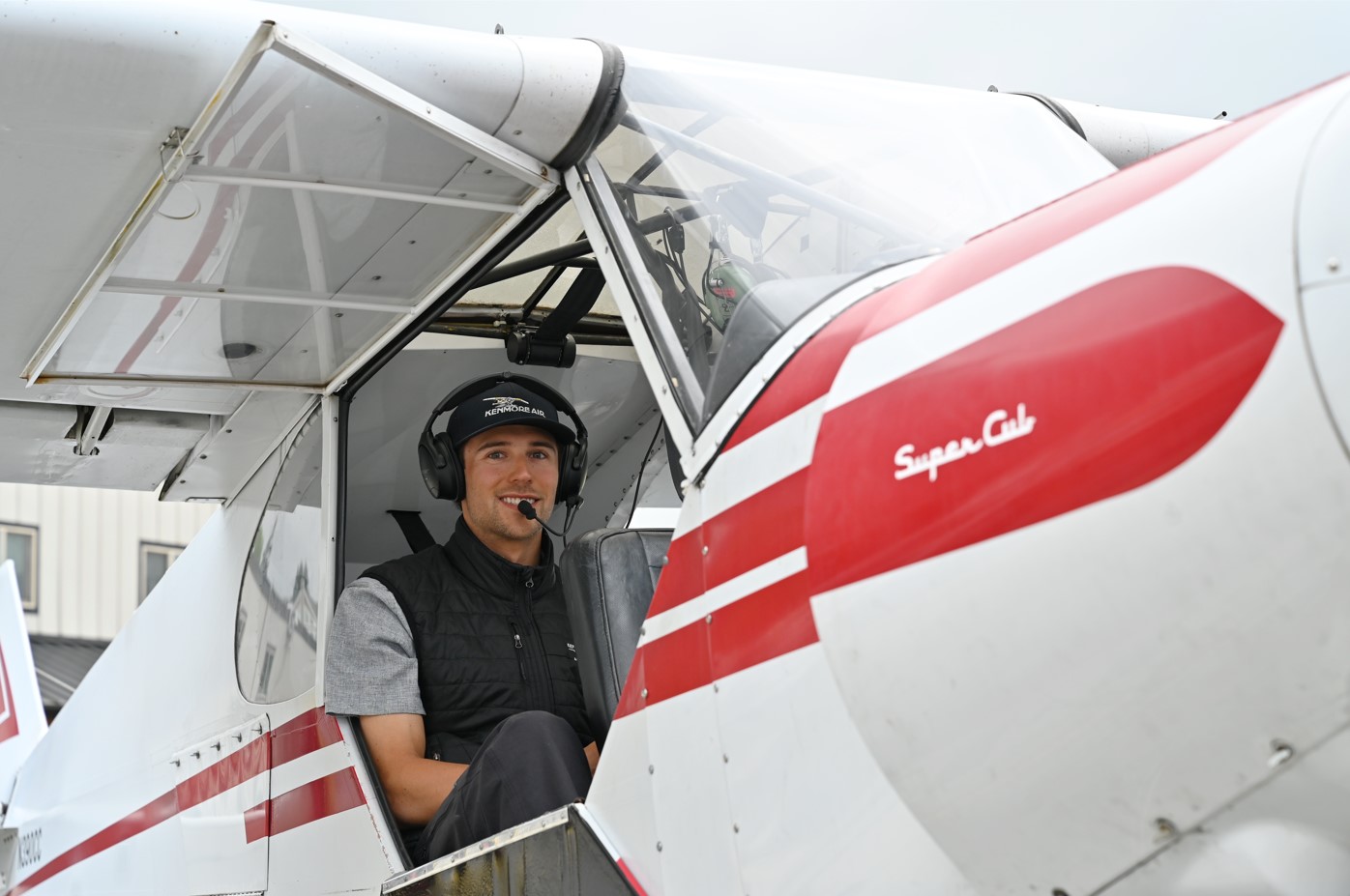
The experience begins with a walk around the aircraft. Whether training in a Piper Super Cub on floats or a Cessna 172 equipped for water operations (or a de Havilland DHC-2 Beaver for advanced training), students are introduced to the fundamentals of seaplane flying before leaving the dock. Floats, water rudders, tie-downs, control surfaces, and water handling techniques all become part of the conversation.
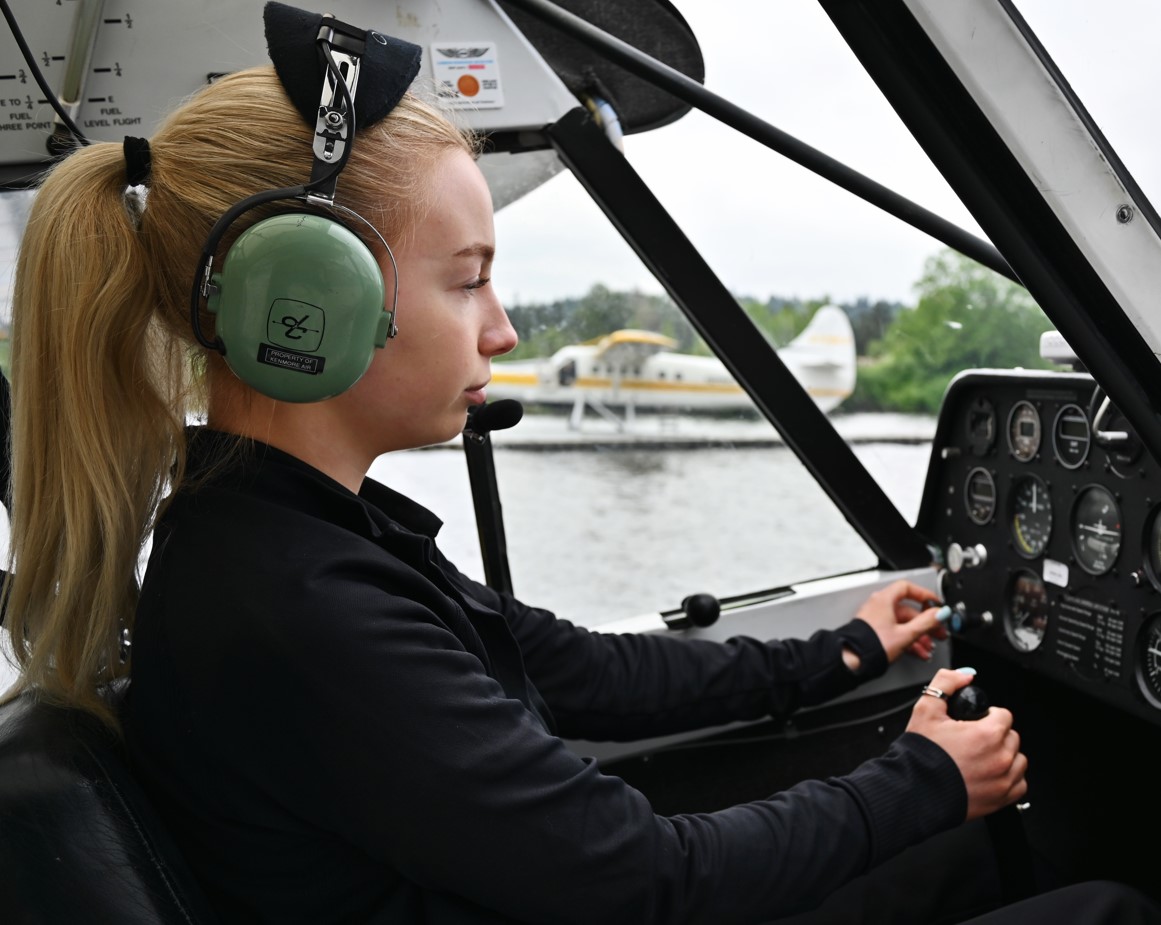
For first-time flyers, it’s often the moment the experience starts feeling real. Because unlike a scenic flight where someone else does the flying, the goal here is participation. Today, the student will take the controls.
Taxiing Toward Takeoff
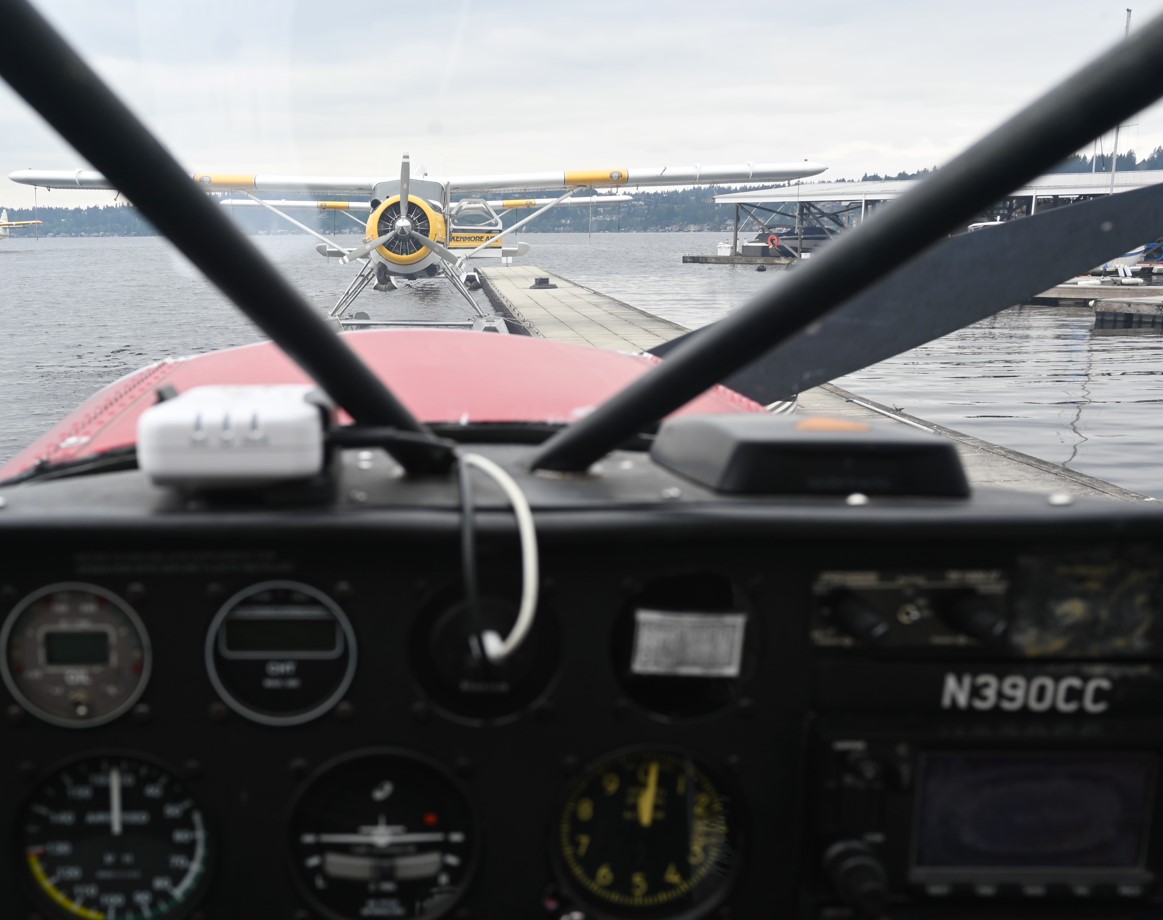
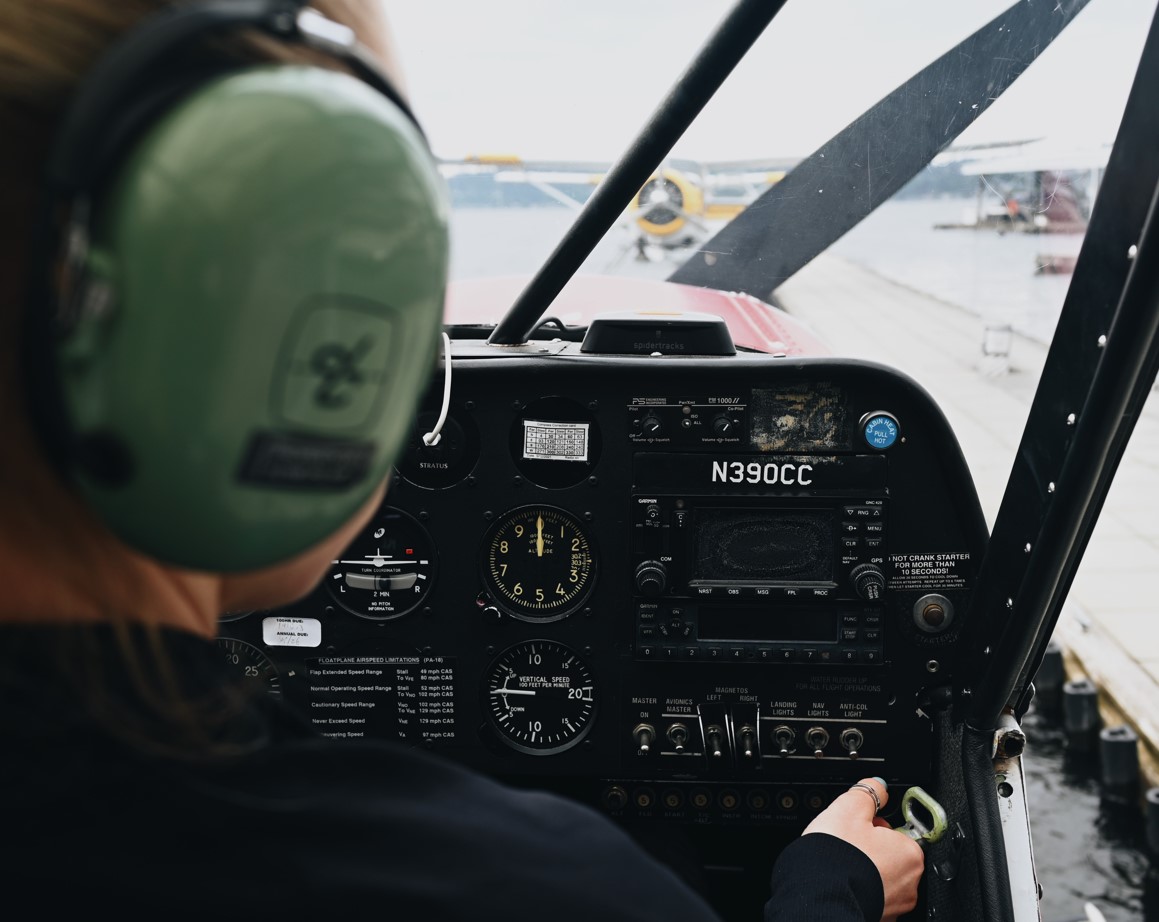
The first surprise for many students is how different a seaplane feels before it ever leaves the water. Once untied from the dock, the aircraft begins taxiing across Lake Washington, using a combination of rudders, wind awareness, and water conditions to navigate the harbor. It’s part airplane, part boat.
The shoreline slowly recedes as the aircraft moves into open water. Ahead lies what appears to be an endless runway made entirely of reflections. And then comes one of the most memorable moments in aviation…the throttle advances. Spray fans outward from the floats. The aircraft accelerates across the lake. The floats begin riding higher on the surface, a phase pilots call getting “on the step.” Seconds later, the water falls away and what was a boat moments ago becomes an airplane.
Seeing Seattle From the Pilot’s Seat
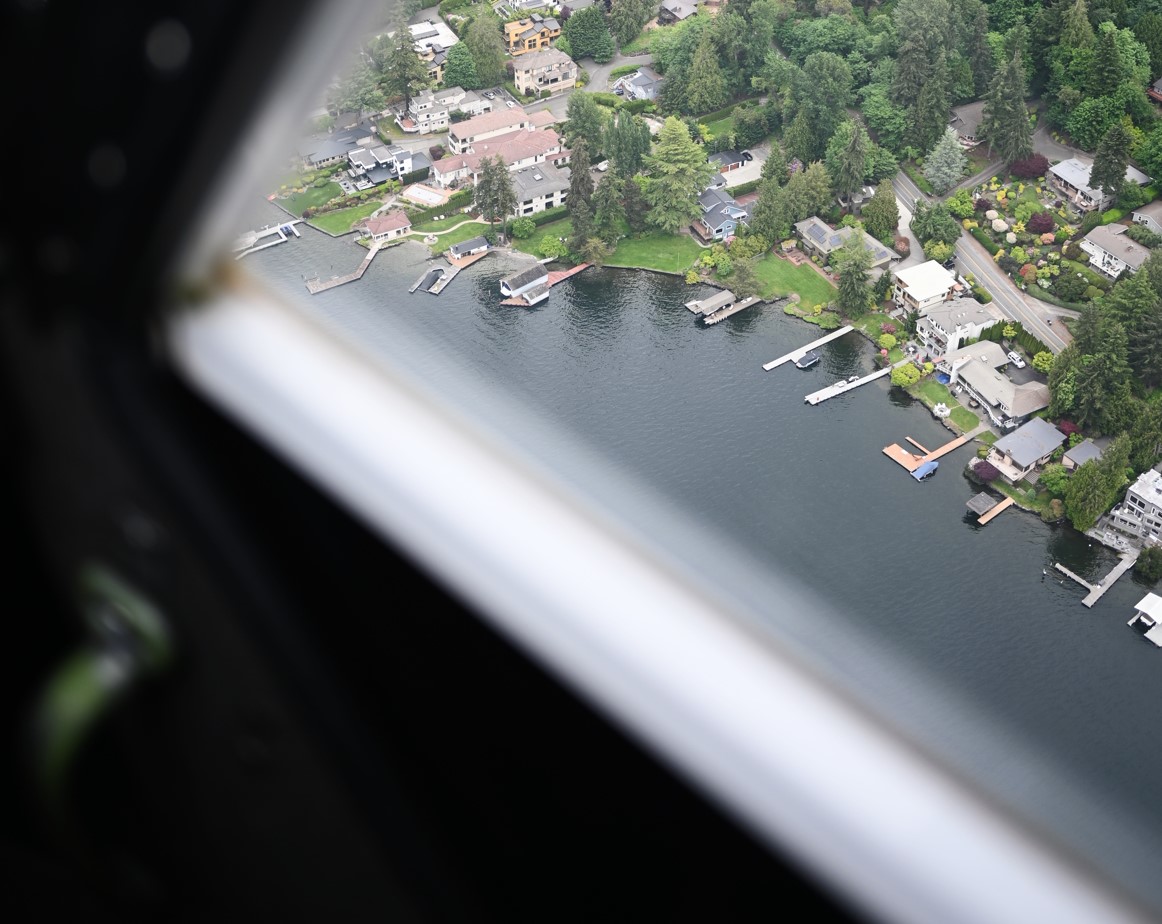
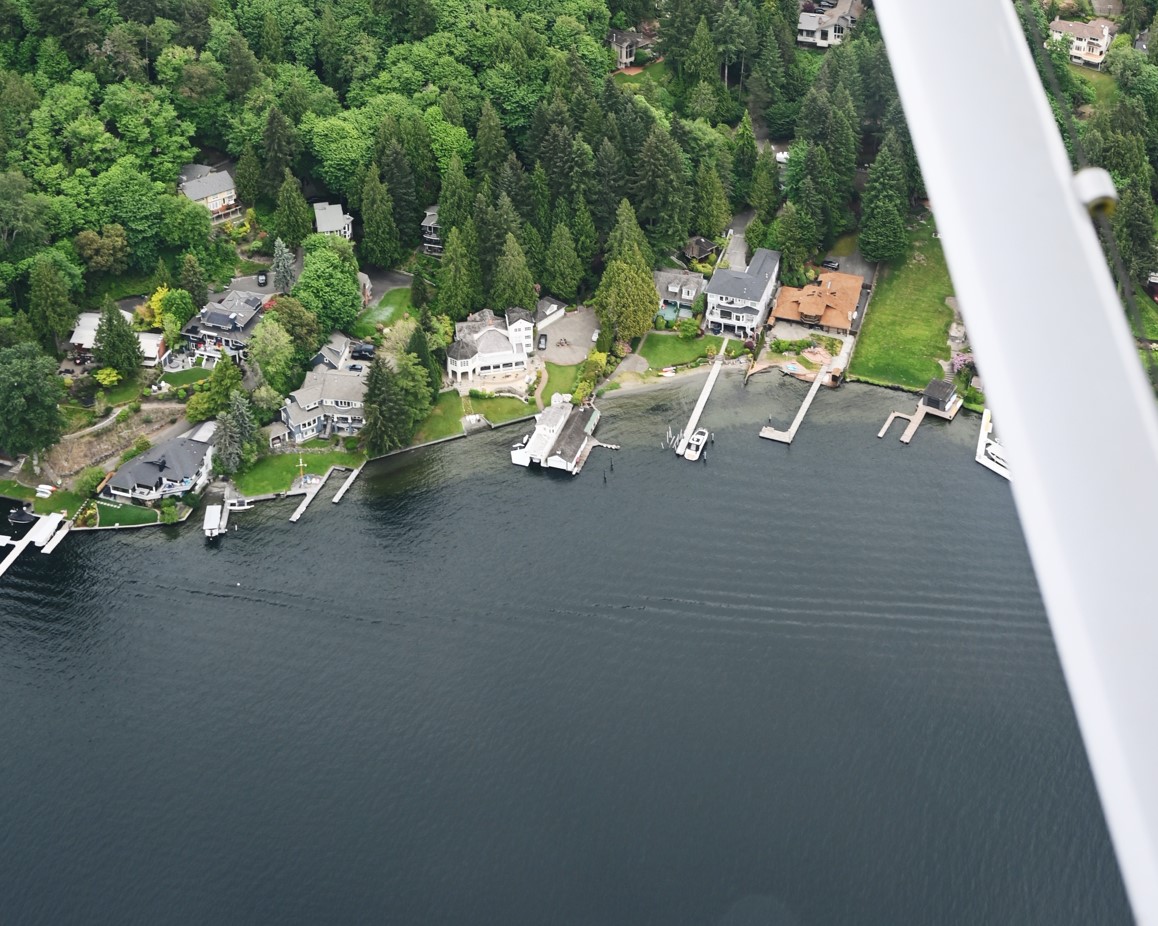
As the aircraft climbs above Lake Washington, a different perspective on the region begins to emerge. The floating bridges look impossibly delicate from above. Waterfront neighborhoods reveal hidden coves and marinas invisible from the road. Downtown Seattle rises in the distance while the Cascades stretch across the eastern horizon.
On clear days, Mount Rainier appears almost impossibly large. The scenery alone would be reason enough to book a flight. But here, should you choose, the view is only part of the lesson. Under the guidance of an experienced Kenmore Air flight instructor, students begin learning the fundamentals of flight. Gentle turns. Climbs. Descents. Basic aircraft control.
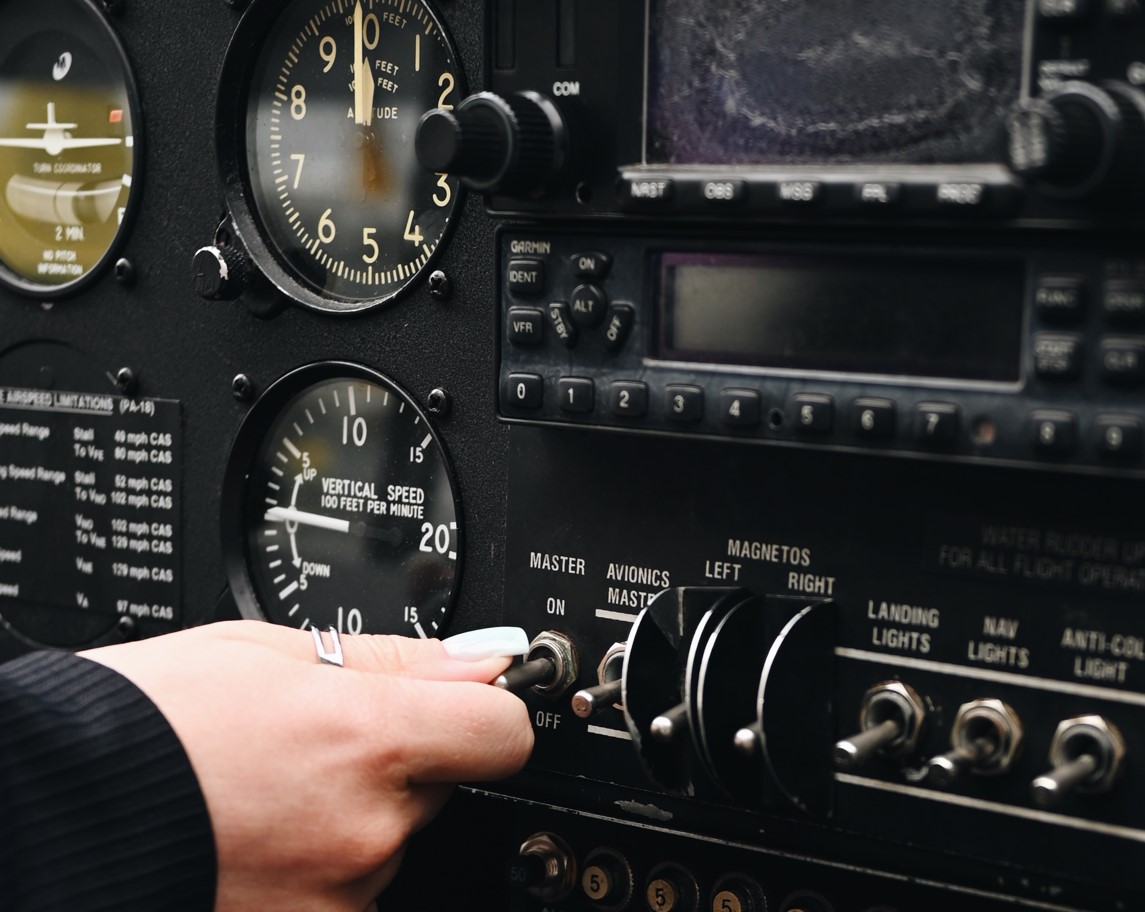
The first few moments on the controls are often equal parts concentration and awe. Small movements produce immediate results. A slight pressure on the yoke changes the aircraft’s attitude. A touch of rudder alters the turn. The airplane responds with surprising precision.
And while learning the mechanics of flight is certainly part of the experience, something else begins happening too. The Pacific Northwest starts looking different from above.
Learning the Art of Seaplane Flying
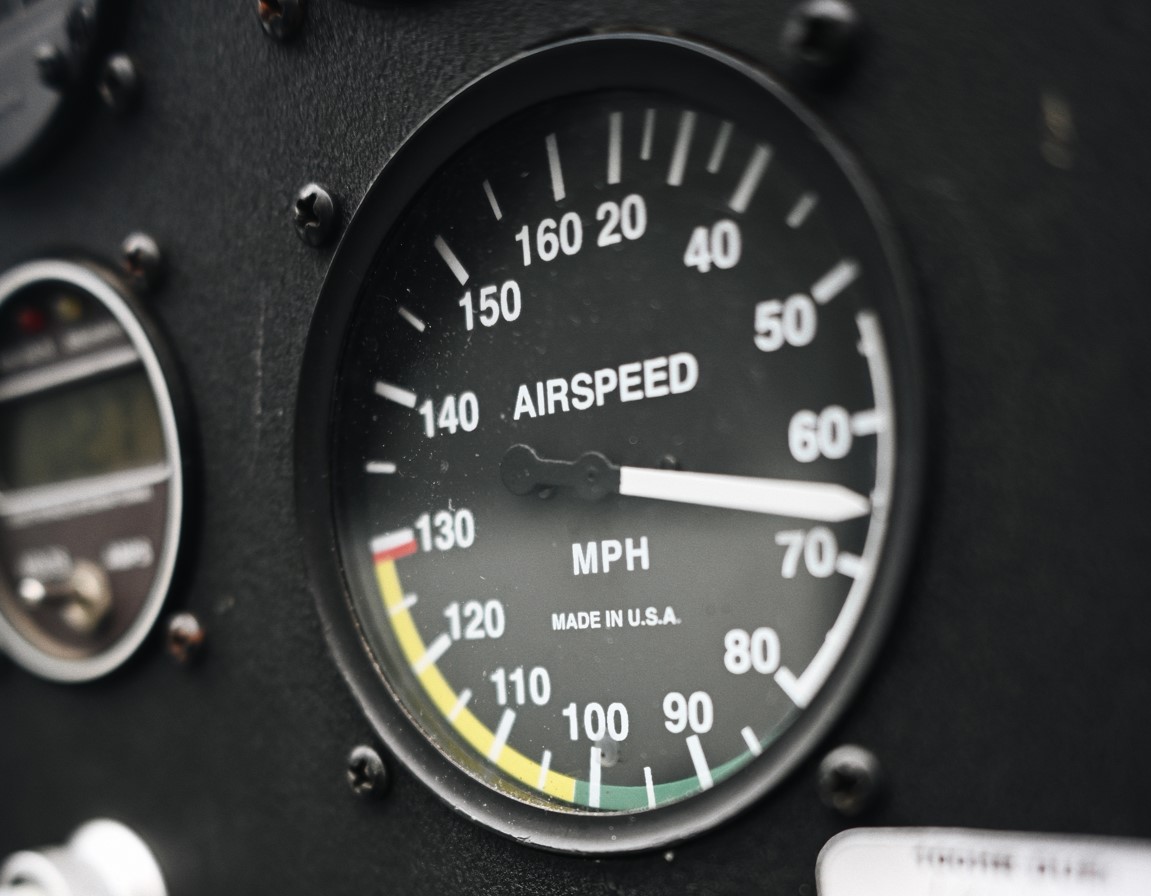
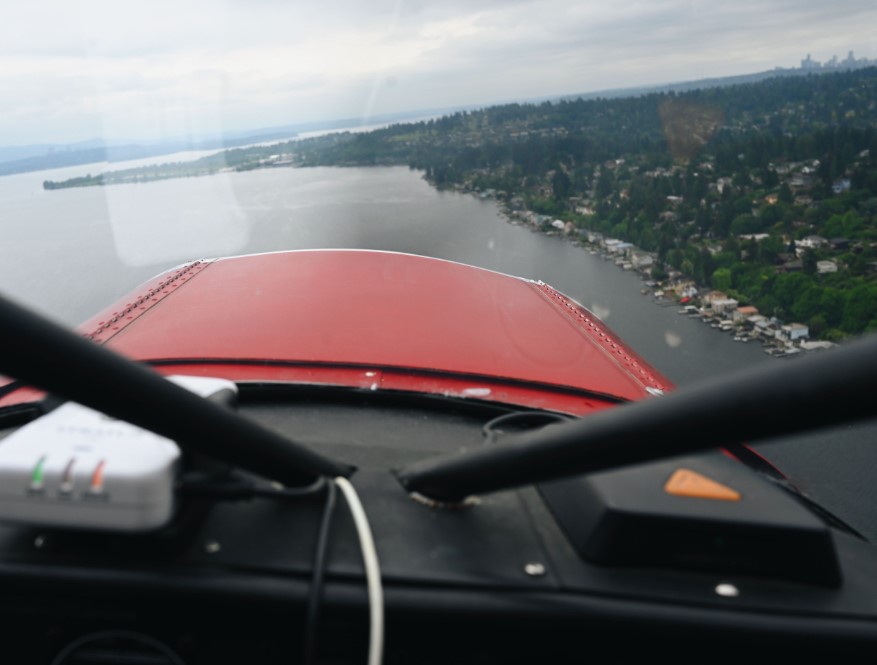
Traditional flight training teaches pilots how to operate from paved runways. Seaplane flying introduces an entirely different layer.
Water is dynamic and conditions change constantly with wind, waves, reflections, currents, and boat traffic all part of the operating environment. Students learn how to read the surface of the water the way sailors read the sea.
An instructor might point out subtle wind patterns visible only through changing textures on the lake. Reflections become important as do boat wakes and nuanced weather. The lesson extends beyond simply flying the airplane. It becomes an education in understanding the environment itself.
This connection between aircraft and landscape is one of the reasons float flying holds such a special place within aviation. Few experiences feel more tied to a region than taking off from the water in the Pacific Northwest.
Who Should Learn to Fly a Seaplane?
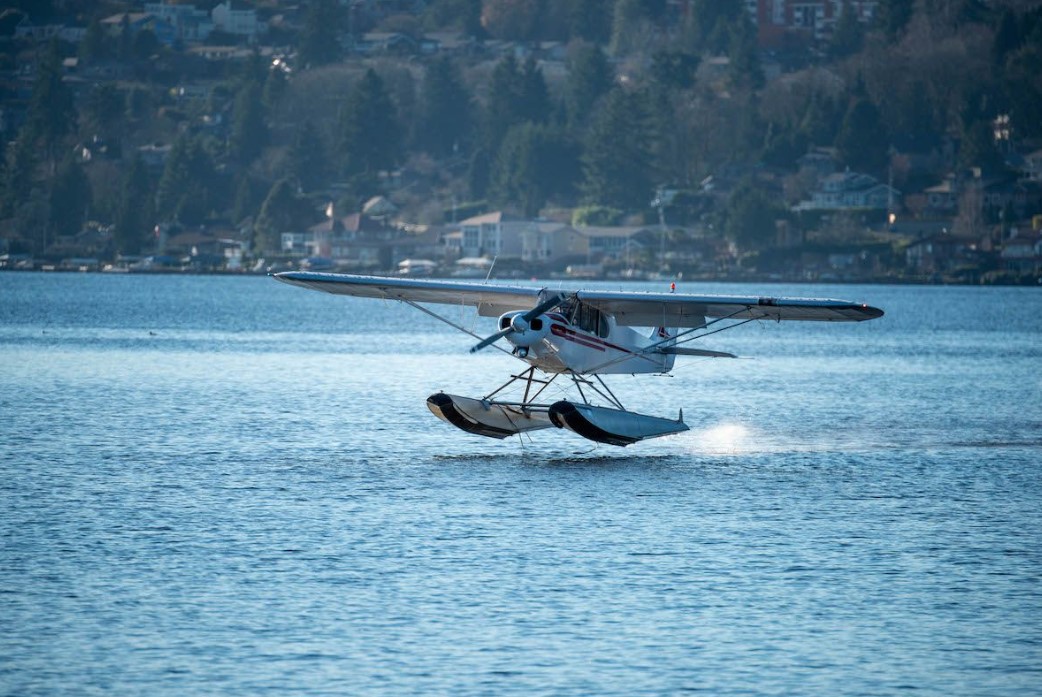
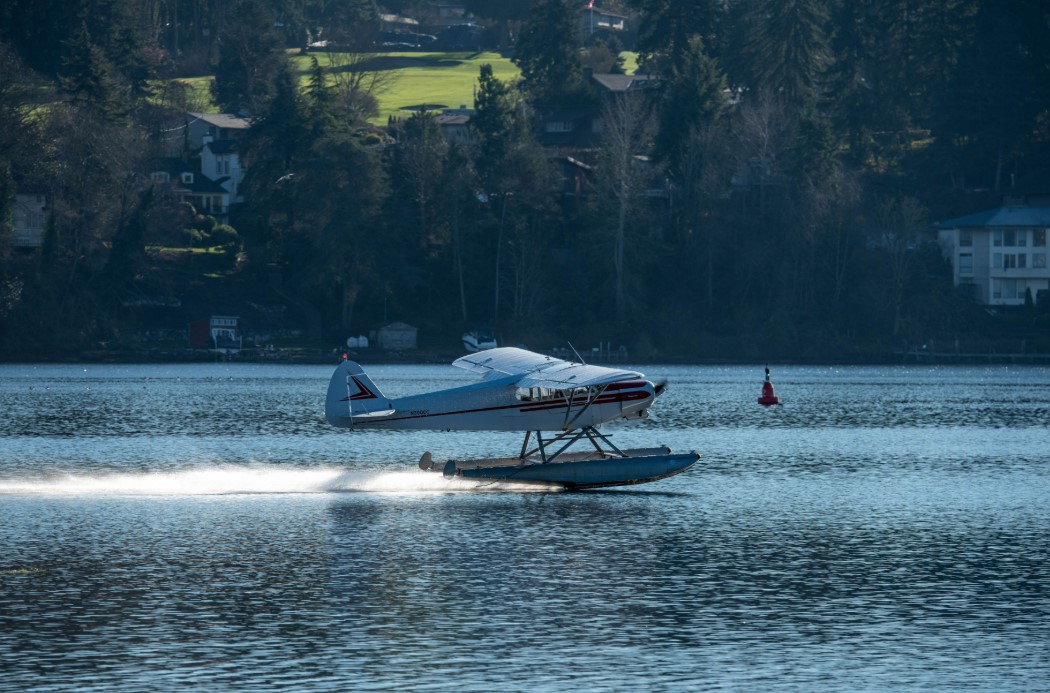
One of the biggest misconceptions about flight instruction is that it’s only for future airline pilots. At Kenmore Air, that couldn’t be further from the truth.
Yes, there are aspiring professional aviators earning ratings and building flight experience. There are also licensed pilots coming specifically to earn a Single-Engine Sea Rating, one of aviation’s most sought-after endorsements.
But many students arrive for entirely different reasons. Some are lifelong aviation enthusiasts finally pursuing a dream they’ve carried for decades. Others are outdoor adventurers looking for a uniquely Pacific Northwest experience, dipping a simple toe in with an introductory flight. Some arrive with hundreds of flight hours. Others have never touched an aircraft control in their lives. The common thread isn’t career ambition, it’s curiosity.
For beginners, Kenmore Air’s introductory flight lesson ($150 per person) offers a remarkably accessible way to experience aviation from the pilot’s seat. Under the guidance of a qualified instructor, participants learn the basics of seaplane operations while flying over one of the most beautiful landscapes in North America. For others, that first lesson becomes something more. Many continue toward additional ratings, certifications, or a full private pilot journey. And some simply leave with a memory they’ll be talking about for years.
The program is flexible enough to be a bucket-list adventure, a new hobby, a professional stepping stone, or the beginning of a lifelong passion.
More Than a Flight Lesson
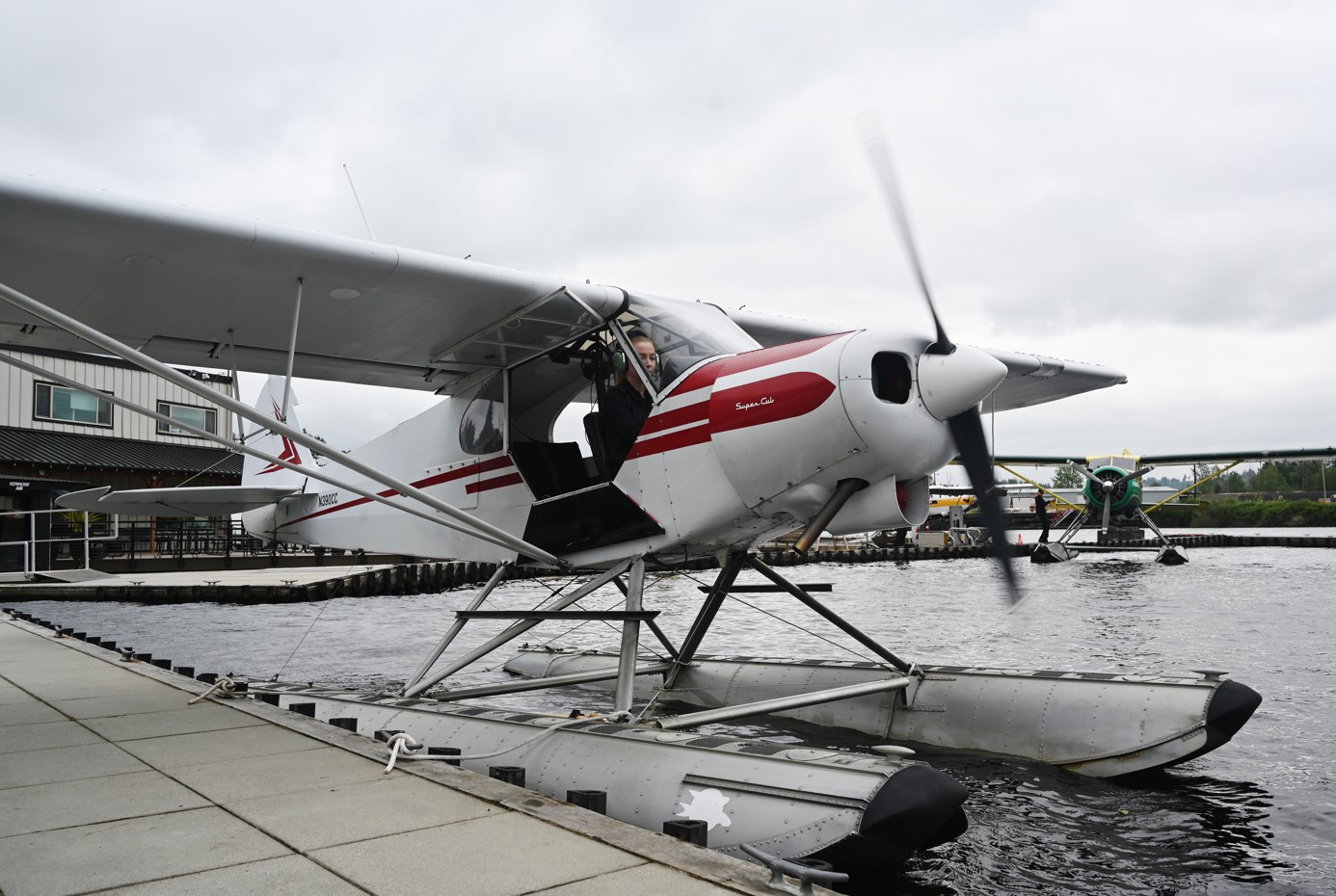
Back at Kenmore Air Harbor, another Beaver seaplane taxis away from the dock bound for the San Juan Islands.
A group of passengers boards a scheduled departure. Nearby, an instructor reviews a preflight checklist with a new student preparing for their first lesson. It’s a scene that has repeated itself here for generations. And perhaps that’s what makes learning to fly at Kenmore Air feel so special.
The experience isn’t confined to a classroom or airport traffic pattern. It’s woven directly into the geography, history, and culture of the Pacific Northwest itself. Students learn to read wind on open water. Navigate around islands. Experience firsthand why floatplanes have been such an essential part of life throughout this region for decades.
The lesson extends beyond aviation, it’s about perspective. Because once you’ve watched the shoreline fall away beneath the floats, traced the curves of Lake Washington from above, and felt an aircraft lift cleanly from the water under your hands, the Pacific Northwest never quite looks the same again.
And for many, that’s where the real journey begins.



